Feathered Friends and Working Beasts: Unveiling the Ottomans’ Progressive Animal Agenda

Abdullah Khan
Published
While the Ottoman Empire is known for its military and architectural achievements, a lesser-known aspect was their surprisingly progressive attitude towards animals. This article explores their innovative approach to animal welfare, including legal protections against cruelty, the construction of bird hospitals and houses, and a general respect for living creatures. These practices, influenced by both religious beliefs and a practical understanding of the benefits of animal well-being alike, serve as an inspiration for our own treatment of animals today.
When we navigate the history books we come across a number of interesting facts about different dynasties. The Ottoman Empire, one of the most powerful empires in the world during the 15th and 16th centuries, spanned more than 600 years. The Ottomans left an undeniable mark on history, and are remembered for their formidable military, rich ethnic tapestry, artistic achievements, and tolerance in religious matters. Their architectural wonders continue to inspire awe today. And, when we talk about animal coexistence, the Ottoman standards reign supreme.
During the 15th century, Sultan Bayezid II passed a law stating the regulations for the protection of animals. This included preventing the use of injured horses for work and limiting the weight carried by donkeys and camels. Afterwards, in the 16th century, Sultan Murat III issued a comprehensive animal rights decree, the first of its kind in the world. They showed their gratitude towards the animals that pulled heavy cannons. These animals were retired and cared for until their death. This sharing of our world with animals in a peaceful way is called ‘animal coexistence’. This is important because it benefits both humans and animals.
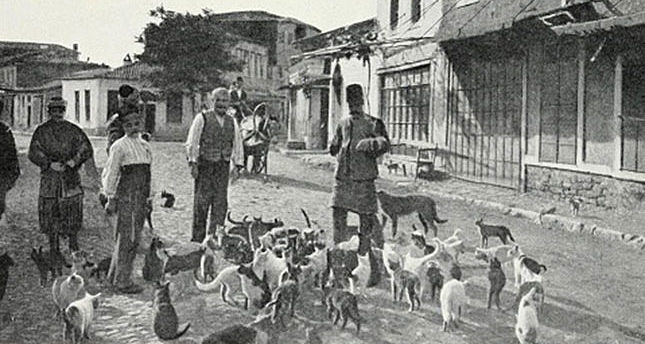
The Turkish love for birds transcends the boundaries of time. Purchasing birds from the market and setting them free was a common practice. World’s first stork hospital was established in Bursa to treat the injured birds during migration. The bird houses were one of the most significant contributions of the Ottomans. They built them for sparrows, swallows and even storks. These miniature houses weren’t just mini-architectural marvels, but they reflected the Ottomans’ respect for nature and animals. The bird houses were constructed on the high walls of mosques, inns, palaces, tombs and even fountains. Apart from the bird houses, it was compulsory to include water bowls and drinking basins in new constructions especially for birds, ensuring easy access to water in summers. The carved cobblestones were placed for collecting water to quench the thirst of birds and street animals (cats, dogs etc.) as well. Another astonishing feature for access to clean water for the animals were the public fountains which were also used by the humans.
The Ottomans emphasized animal welfare and enacted laws for protecting them, such as prohibition on the hunt of young and pregnant animals. They even designated the caretakers to feed deer and other wild animals during harsh climates. One of the main reasons for the generosity towards animals by the Ottomans was their religious beliefs. Generosity towards animals is a multifaceted concept in Islam which encourages Muslims to be compassionate towards all the living beings. There are teachings about reward for good deeds towards animals and punishment for cruelty towards them. Beyond the religious beliefs, there was a common sense of empathy and love for animals which was manifested in the acts of charity, such as building structures and caring for sick and injured animals. After all, animals play a significant role in society. They provide food, transportation and various other benefits. Caring for them helps in increasing their longevity, productivity and financial benefits.
The Ottomans stand out in history for their progressive approach to animal coexistence. From legal protections to architectural marvels like bird houses and water sources, they actively ensured animal welfare. This stemmed from both religious beliefs promoting compassion and a general respect for the role animals played in society. Their efforts to create a harmonious world for humans and animals serve as an inspiration even today.
Abdullah Khan is a student pursuing B.A. Turkish (Hons) from Jamia Millia Islamia.
Edited by: Yash Mittal